


For many, if not all Africans, traveling to Europe is always an exciting experience, whether for tourism, business, or educational purposes. However, to legally visit and explore the Schengen area, you’ve got to first possess a Schengen VISA, which the process of obtaining it can be quite stressful and challenging. Let’s detail some of the key steps that can demystify the process and provide clear steps for African citizens looking to visit the Schengen area.
Understanding The Schengen Area:
Before outlining the steps of obtaining a Schengen Visa, lets first gain background understanding of what a Schengen Visa is. The Schengen Visa is a short-stay VISA that allows its holder to travel to the Schengen area, which compromises of 29 European countries. With this VISA, you can stay in the Schengen area for up to 90 days within a 180-day period.
Schengen Visas come in 3 forms:
Single Entry Visa: Allowing you to enter the Schengen area twice
Multiple Entry Visa: Allowing Several visits to the Schengen area as long as the Visa is valid.
Airport Transit Visa: Allows you to connect through the international transit area at an airport in the Schengen area during a stop over or change of flights. It does not allow you to leave the international transit area.
Types of Schengen Visas:
Tourism Visa
Business Visa
Student Visa
Medical Treatment Visa
Official Visit Visa
Choosing the type of Visa you want will be based on your intentions and reasons for traveling. Now that we’ve acquainted ourselves with what a Schengen Visa is, let’s follow it up with outlining a step-to-step guide to obtaining a Schengen Visa:
1.Determine The Country You’re Applying For:
First things first, you need to apply for your Schengen visa at the embassy or consulate of the country that will be your main destination. If you’re visiting multiple countries, apply to the country where you’ll spend most of your time
2.Gather Required Documents: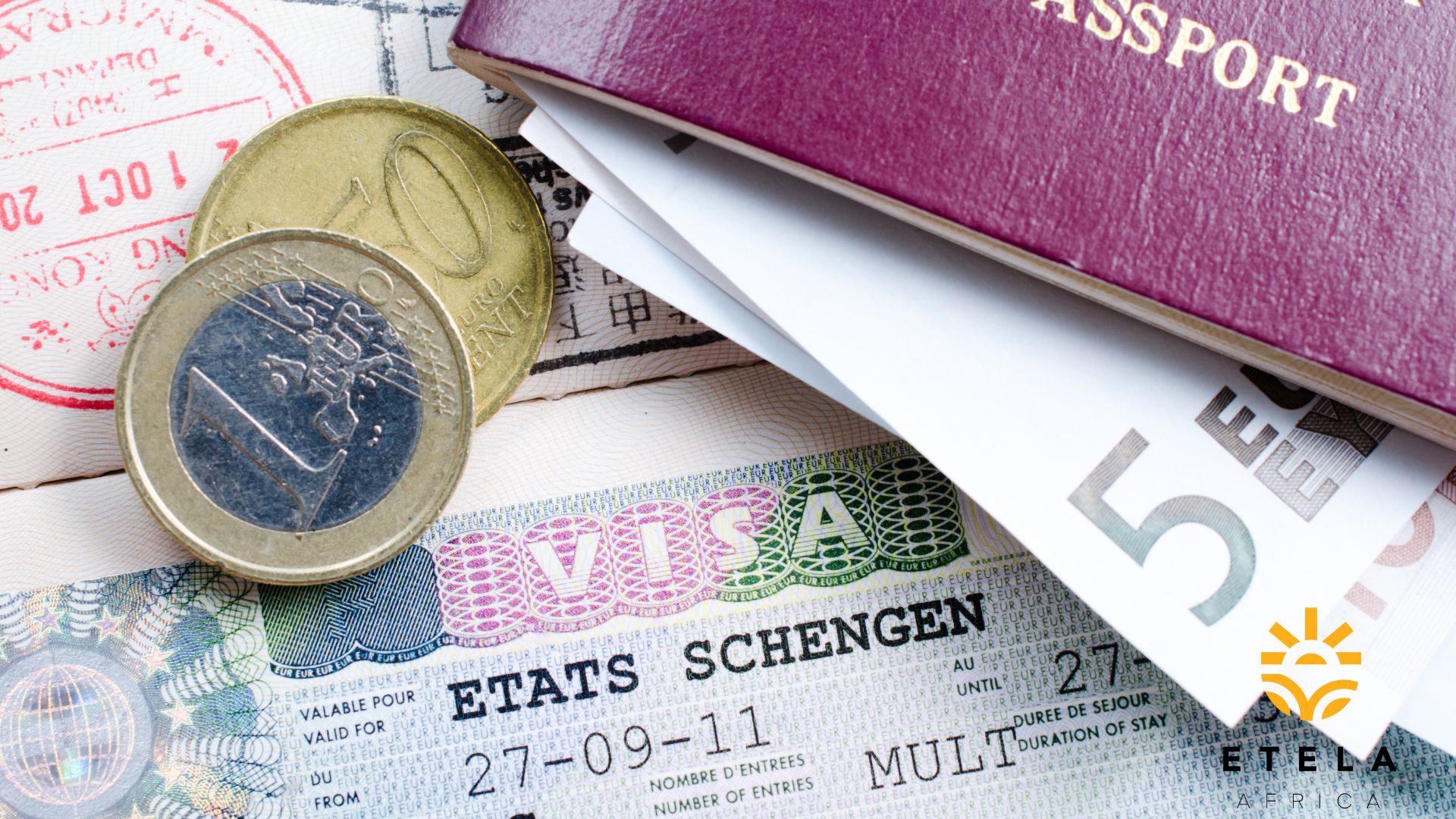
Documentation and requirements may vary slightly between the countries, but generally, you’ll need to possess:
A valid Passport (Valid for at least 3 months beyond your planned stay)
Completed and signed Schengen Visa Application Form
Recent passport-size photographs
Proof of Accommodation for your entire stay
Travel Insurance
Proof of employment or student status
Bank statements for last 3-6 months
Proof of paid Visa fee
3.Schedule An Appointment:
After determining the country you’d like to visit and finalizing your documents, the next step would be getting in contact with the embassy and booking an appointment. In some countries, you may need to go through a visa application center.
4.Attend The Interview:
It’s possible for the process to include being interviewed. The best thing to do is be honest and concise in your reports and provide any additional information or clarification as needed.
5.Provide Biometric Data:
You’ll need to provide your fingerprints and a digital photograph. This Biometric data is valid for 59 months, meaning there would be no need to submit it again if you happen to apply for a Schengen Visa during this period.
6.Pay The Visa Fee:
The standard fee for adults is €80, but it may be reduced or waived for certain categories of applicants
7.Wait For Processing:
Last but not least, you now give it time and wait for it to be processed. Processing time may vary, but it typically takes 15 days. In some cases, it may take up to 30 or 60 days, so apply well in advance of your intended travel date.
Tips For Successful Application:
Be honest: Providing false information can undoubtedly lead to your application being rejected and heavily influence your future applications
Be Thorough: Ensure all your documents are complete and accurate. Missing or incorrect information can cause a delay to your application.
Demonstrate Your Financial Means: Ensure your bank statements show you can legally afford your trip and that all your funds are clean and traceable.
Apply Early: Applying early always helps. Avoid waiting until the eleventh hour, but instead apply 15 days before your intended travel, but no earlier than 6 months before. 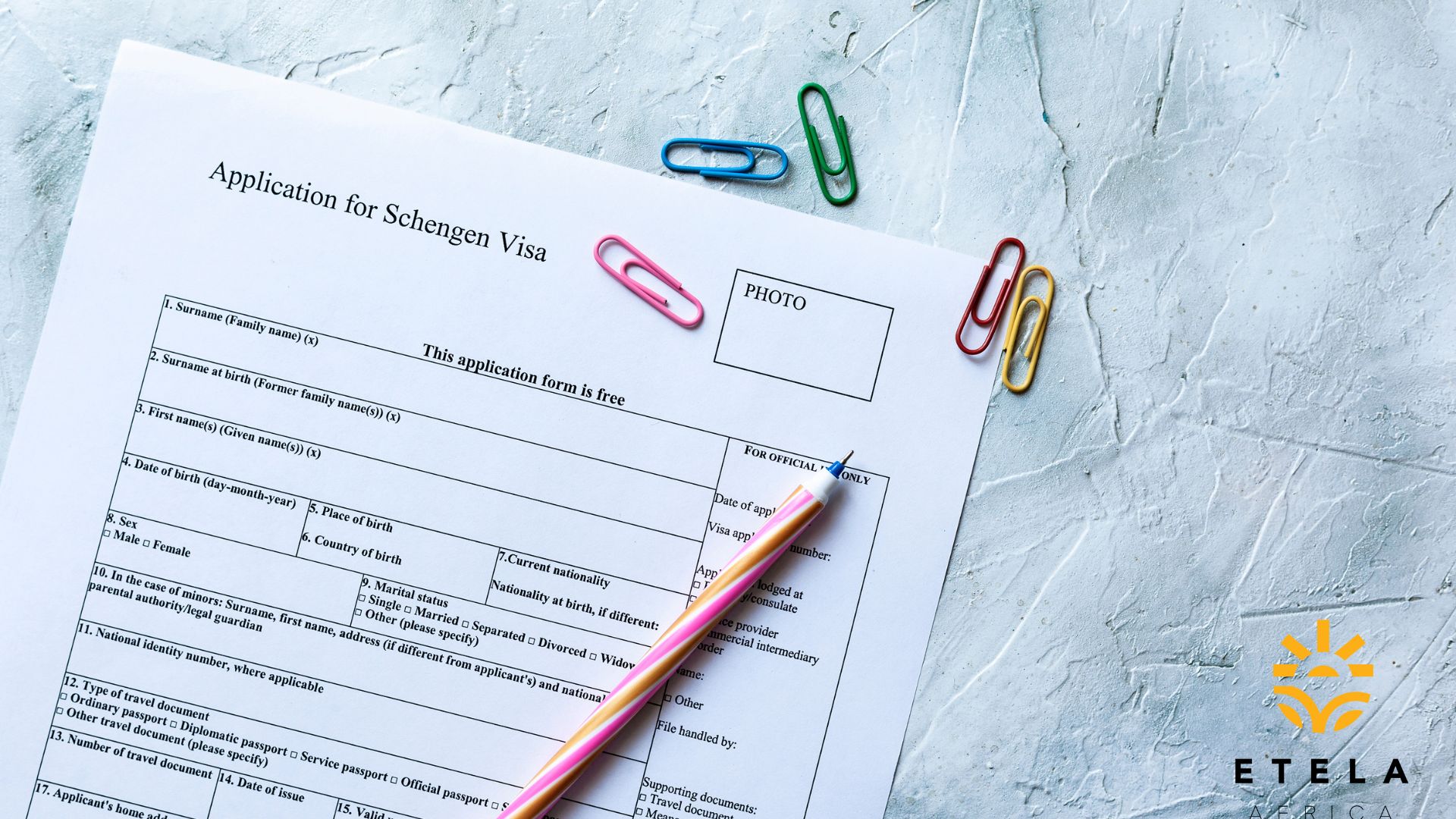
Draft a well-rounded Itinerary: A well-planned trip sends a good message that you’re a determined traveler and not likely to overstay your Visa.
Now let’s look at some common errors that can lead to your Visa being rejected:
Incomplete / Inaccurate Application
Insufficient Funds
Criminal Record
No clear objective of traveling
Inadequate travel insurance
Conclusion:
Like all Visa applications, obtaining a Schengen Visa as an African can be a complex process that requires careful preparation and attention to detail. By following this guide and ensuring you meet all the requirements, you’ll significantly increase your chances of a successful application. Always keep in mind, each application is judged on its own merits, so even if you’ve been rejected before, a well-prepared second attempt application can be approved.


